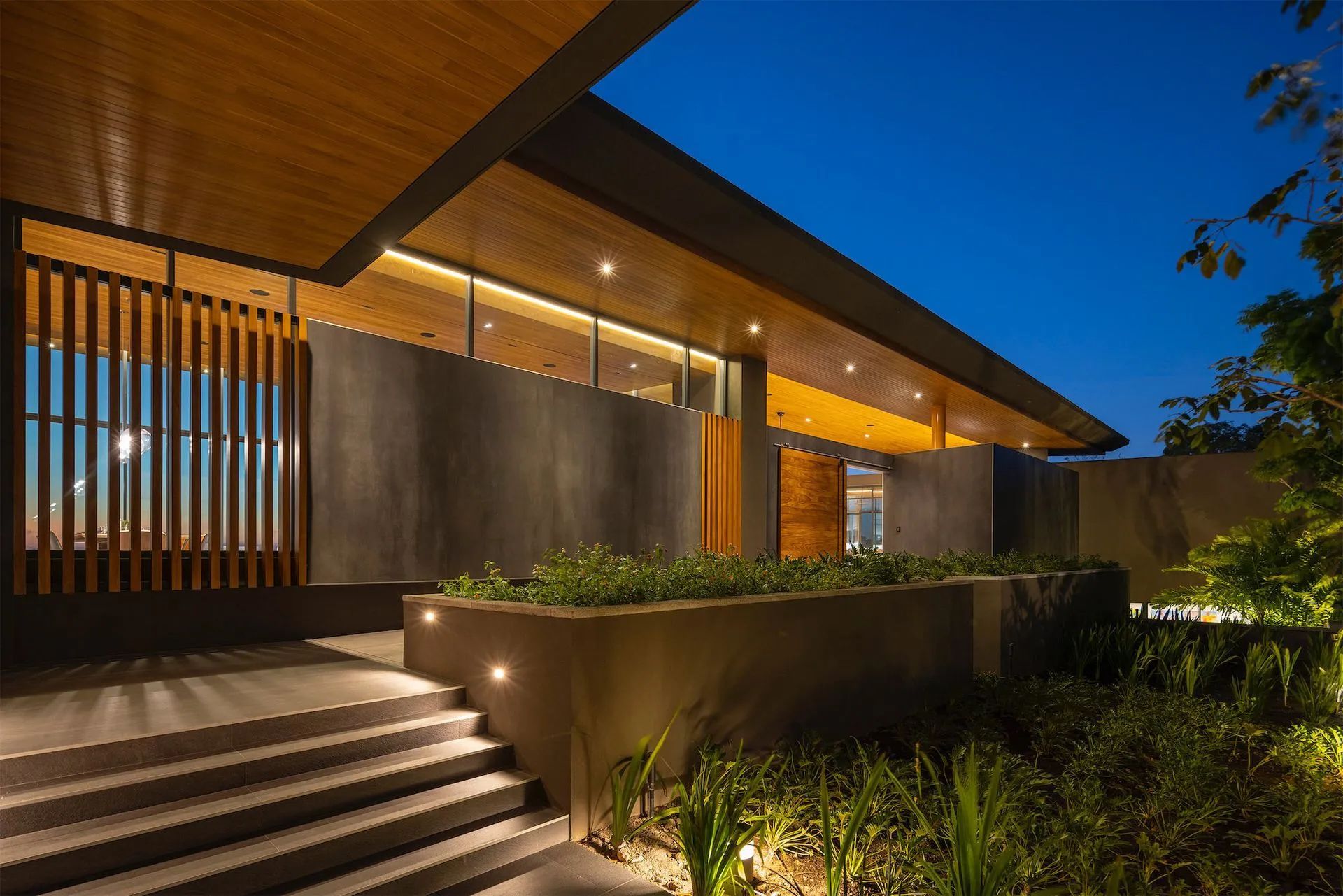
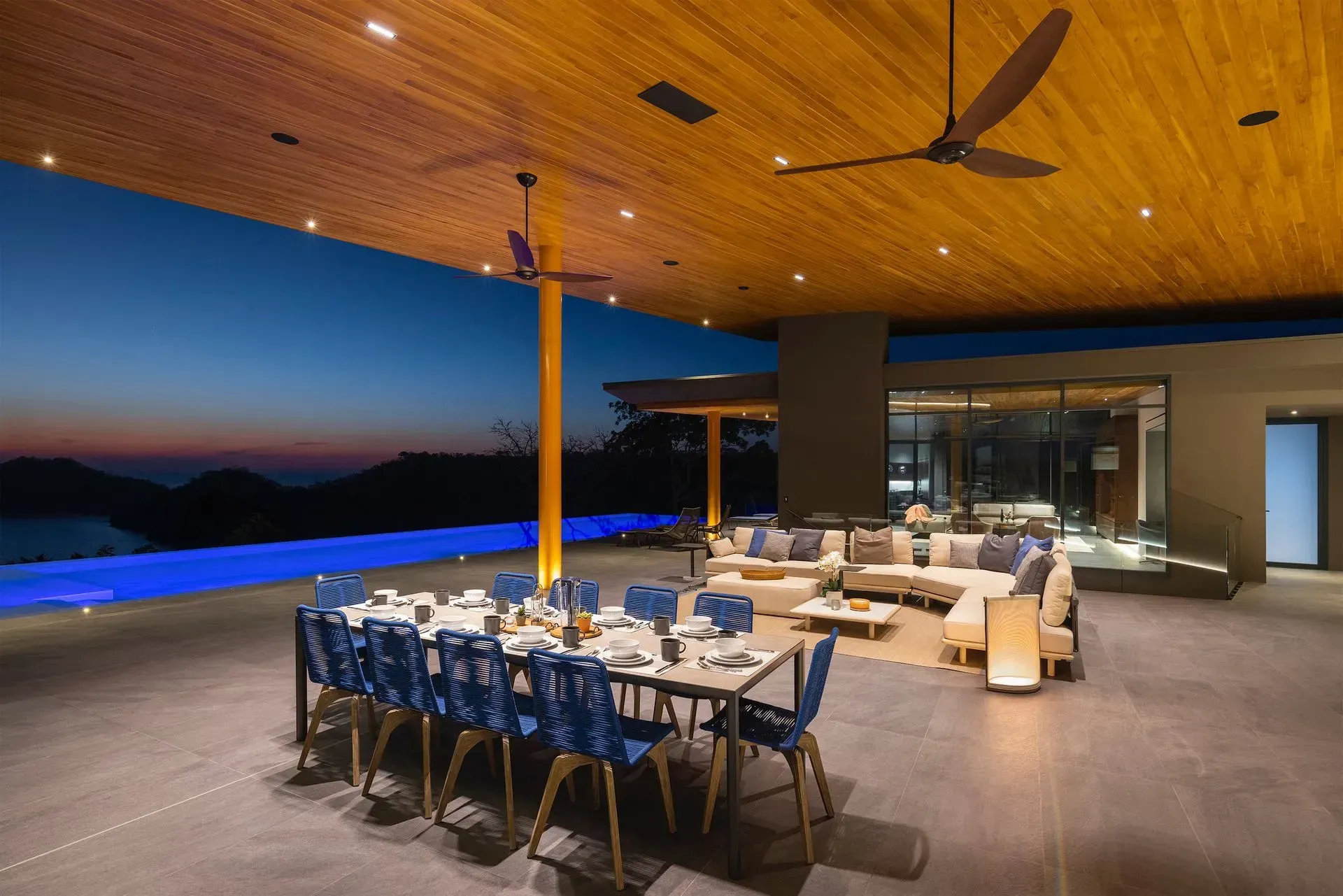
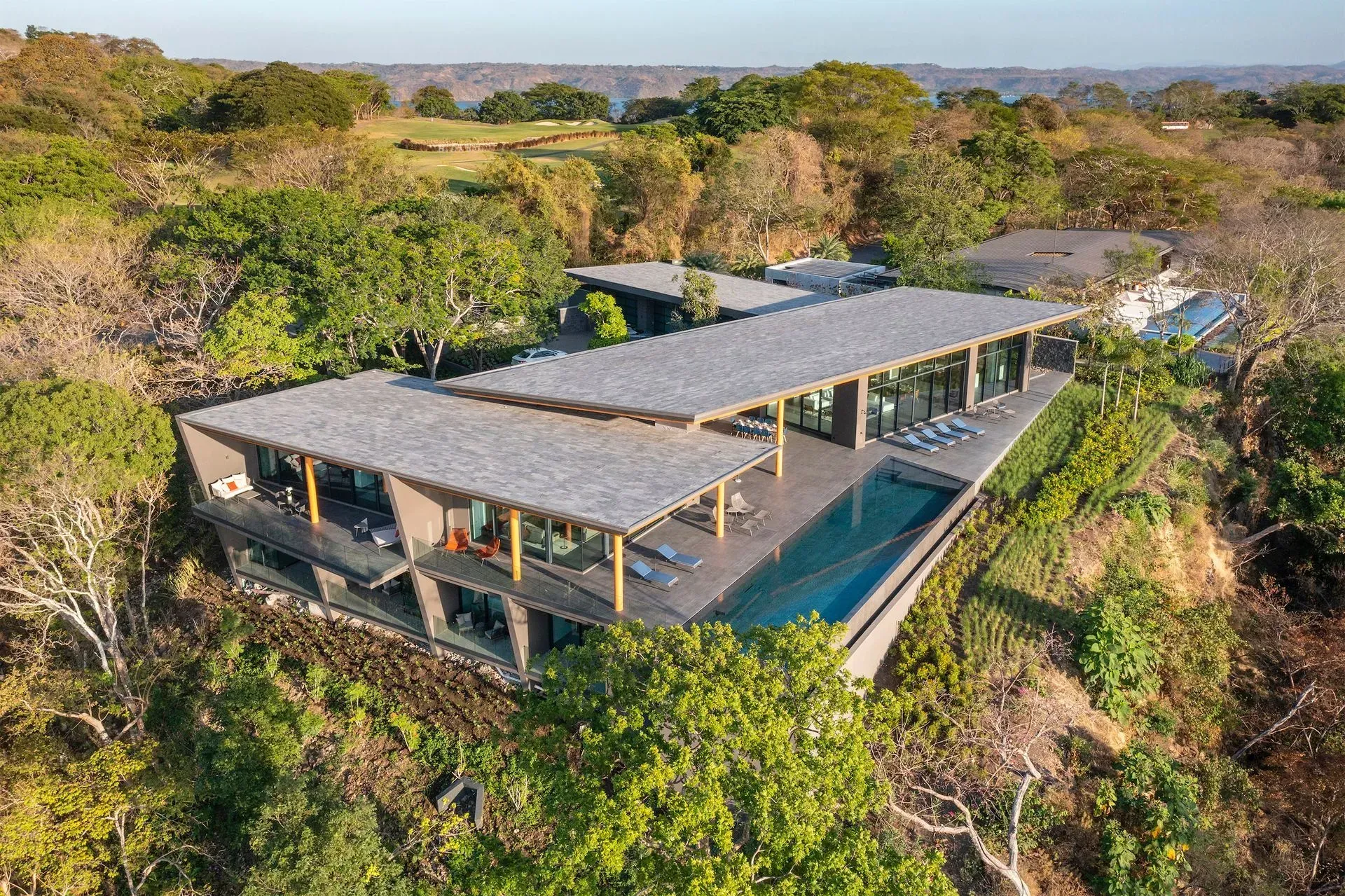
Buying Property in Costa Rica: Site Selection for Luxury Homes
How to Choose the Perfect Site for Your Luxury Property in Costa Rica
The first time you stand on a piece of Costa Rican land that takes your breath away, whether it's a ridge with views that stretch to the Pacific horizon or a jungle clearing where howler monkeys wake you at dawn, there's a temptation to immediately say yes. To imagine your home there, to picture morning coffee on a terrace that doesn't exist yet, to feel that this is the place.
And it might be. But between that initial romance and the reality of a home that performs beautifully for decades lies a crucial period of discovery.
When buying property in Costa Rica, the most successful luxury projects (the ones that become family legacies rather than expensive lessons) begin not with passion alone, but with passion informed by wisdom.
The Site Determines Everything
In tropical architecture, the relationship between home and land is not incidental. It's everything.
The site dictates how you'll experience light throughout the day, whether ocean breezes will cool your rooms naturally, how privacy unfolds across the property, even how your home will age.
A spectacular view means little if the property's orientation leaves your primary living spaces baking in afternoon sun. Dramatic topography creates architectural opportunity but can also complicate construction in ways that affect both budget and timeline.
"I've watched clients fall in love with properties that looked perfect on the surface," says Roderick Anderson, Principal of SARCO Architects, whose firm has designed some of Costa Rica's most distinguished private residences. "The view was stunning. The setting felt magical. But the property couldn't support the home they envisioned, or could only do so at costs that fundamentally changed the project. The conversation we should be having is: does this land enable or constrain your vision?"
This is why the most sophisticated buyers in Costa Rica now involve their architect during site selection itself, not after. Because the questions that matter most aren't just about beauty. They're about potential.
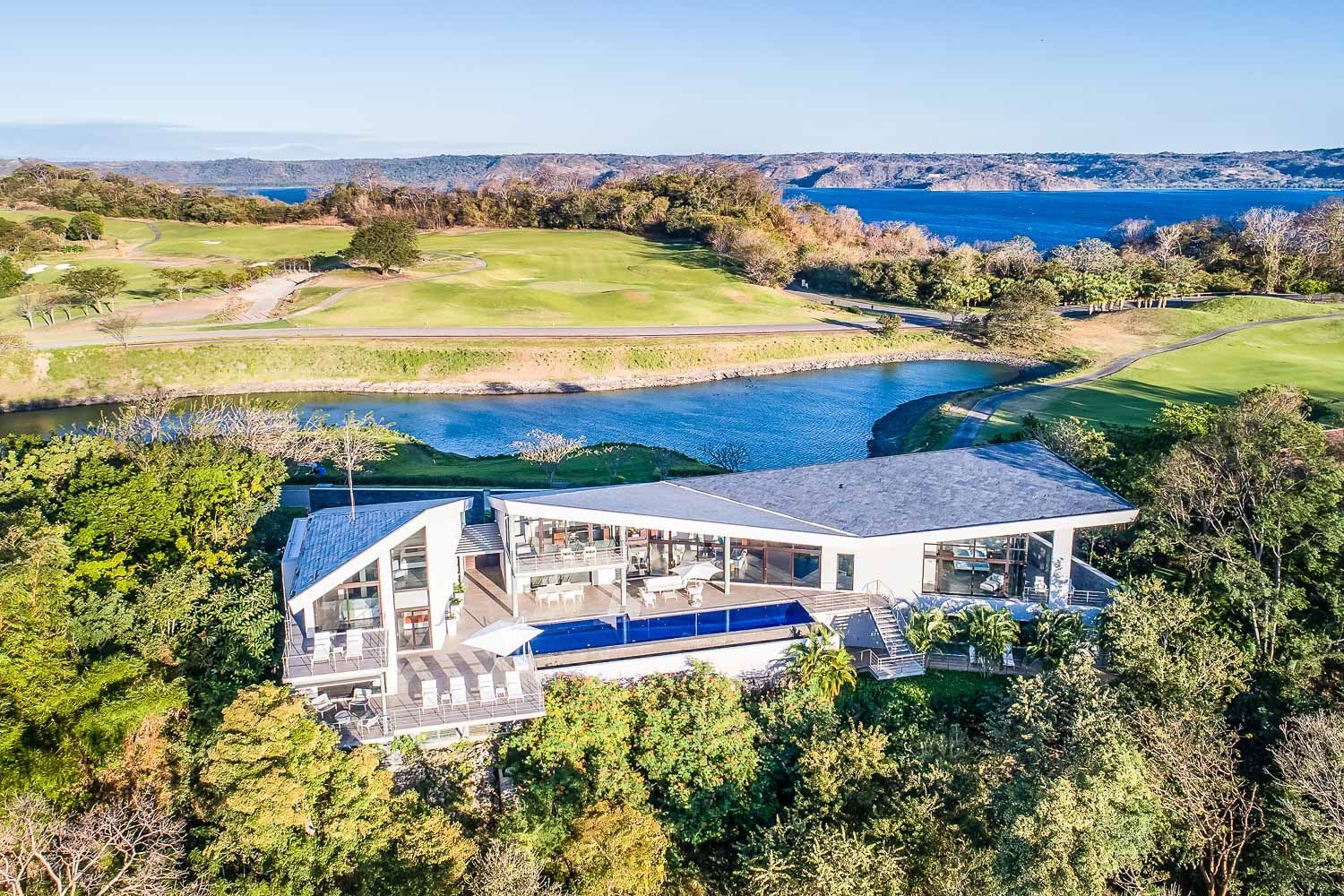
Understanding What You're Actually Buying
Costa Rica real estate comes in distinct forms, each with its own character. Traditional titled property (the most straightforward type) offers clear ownership documented in the National Registry. Most inland and mountain properties fall into this category, along with many coastal sites in established developments.
Beachfront properties often operate differently. Costa Rica's Maritime Zone (the first 200 meters from high tide) uses a concession system rather than outright ownership. The first 50 meters remain public and undevelopable; the next 150 meters can be leased through municipal concessions, typically renewable every 20 years.
This doesn't diminish desirability. Some of Costa Rica's most prestigious addresses (sections of Peninsula Papagayo, parts of Tamarindo and Nosara) operate under concessions.
But it requires understanding the terms and any restrictions before committing. Your real estate agent and legal counsel should clarify the property type early in your search, ensuring the ownership structure aligns with your intentions.
What the View Doesn't Tell You
Properties that photograph beautifully can conceal challenges that only reveal themselves later. That pristine oceanfront parcel might sit outside municipal water service areas. The remote mountain retreat's access road might become impassable during rainy season, complicating everything from construction to daily life.
These aren't reasons to avoid spectacular properties. Some of the finest homes in Costa Rica navigate significant site complexities. But they require understanding before commitment, not discovery afterward.
Water availability sounds mundane until you realize Costa Rican building permits absolutely require documented potable water from approved sources: municipal systems, registered local water associations, or properly registered private wells. Nothing else qualifies.
Properties lacking one of these three documented sources remain unbuildable, regardless of their other attributes. This single factor has stranded more investments than any other issue in Costa Rican development.
Similarly, electrical infrastructure affects both construction reality and long-term living. Properties in established areas typically connect to the national grid easily. But remote parcels may require extending power lines considerable distances. Costs can range from modest to substantial depending on distance and terrain.
Even buyers considering sophisticated solar systems find that the permitting structure typically requires demonstrated conventional power availability.
These aren't merely technical details. They're the infrastructure that enables the lifestyle you're buying the property to create.

The buyers who end up treasuring their Costa Rican homes rather than regretting them ask different questions than typical purchasers. They want to understand not just what the property is, but what it can become.
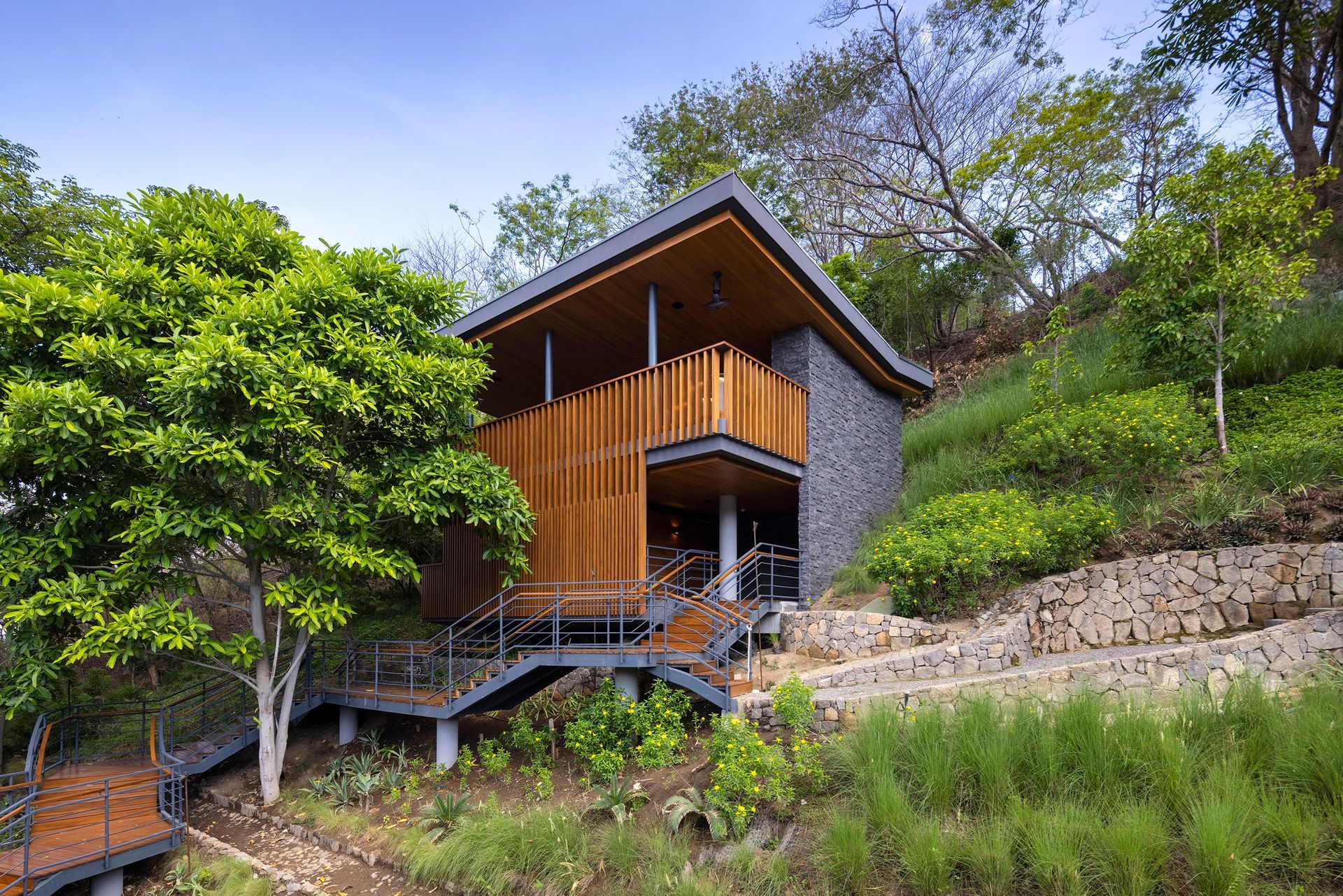
How will topography influence design? Properties with moderate slopes often provide the most architectural opportunity: enough relief for drama and views without requiring heroic engineering.
Excessively flat coastal sites may need fill or elevated construction in flood-prone areas. Dramatically steep hillsides offer spectacular vantage points but generate foundation complexity and construction premiums worth understanding before purchase.
Where will the home actually sit? Can the property accommodate your full vision (main residence, guest house, pool, gardens) while respecting setback requirements and maintaining the natural character that made it appealing? If construction access is challenging, how does that affect timeline and budget?
What about climate? Costa Rica's conditions vary dramatically even within short distances.
Coastal properties offer consistent temperatures and ocean breezes but face salt air and humidity that influence material choices. Mountain settings provide cooler temperatures but may have extended rainy seasons affecting construction schedules.
Understanding your property's specific microclimate (not just the region's general climate) informs everything from architectural orientation to landscape planning.
And critically: what does zoning allow? Municipal regulations govern maximum building coverage, height restrictions, and required setbacks from property boundaries.
A property might be stunning, but if its zoning doesn't permit the program you envision, it's the wrong property regardless of other attributes. Your architect should review these restrictions during site evaluation to confirm the land can accommodate your vision.
"The properties that ultimately provide the most satisfaction are those where natural beauty aligns with practical realities," Anderson reflects. "Where the site enhances rather than complicates the architecture. Where what you want to build and what the land wants to become are in harmony."
How Home Ownership Works in Costa Rica
Foreign nationals cannot own Costa Rica property under their personal names. They must own through Costa Rican corporations, which foreigners can establish and fully control.
This isn't a limitation. When properly structured with experienced legal counsel, corporate ownership provides privacy (your name isn't publicly connected to the property), asset protection, and estate planning advantages many high-net-worth individuals actively prefer.
Your attorney should establish this structure before you enter purchase negotiations, ensuring everything is in place when needed. They'll also verify that all existing property taxes are current: municipal property taxes paid quarterly, service fees, and for concession properties, annual concession dues.
At closing, you'll face property transfer taxes (typically around 1.5% of registered value) and legal fees, but ongoing obligations remain modest relative to property values.
The documentation itself (official property surveys, ownership certifications, corporate papers) forms the backbone of legitimate transactions. Your legal counsel handles the technical aspects, but understanding these elements helps you ask informed questions and recognize when something doesn't align.
Geography as Destiny: Finding the Right Region
Costa Rica offers remarkably diverse settings, each with its own character. The North Pacific (Guanacaste, Peninsula Papagayo, Tamarindo) provides consistent dry seasons, established luxury infrastructure, and proximity to Liberia International Airport. This is where much of Costa Rica's high-end residential development has concentrated, meaning extensive experience with sophisticated construction and architectural services.
The Central Pacific and Southern zones offer more immersive tropical environments with longer rainy seasons but also more dramatic biodiversity and, often, more dramatic topography. For buyers seeking a truly lush experience, these regions provide compelling alternatives, though development infrastructure may be less mature in some areas.
Mountain communities near San José (Escazú, Santa Ana) deliver cooler climates, proximity to international schools and medical facilities, and straightforward year-round access. Properties here operate under traditional title rather than concessions, and construction logistics are often simpler than in remote coastal settings.
The right region depends entirely on your priorities: Beach versus mountains, vibrant community versus seclusion, accessibility versus remoteness. But each choice carries implications for how you'll actually live, not just how the property photographs.
The Value of Expertise When Buying Property in Costa Rica
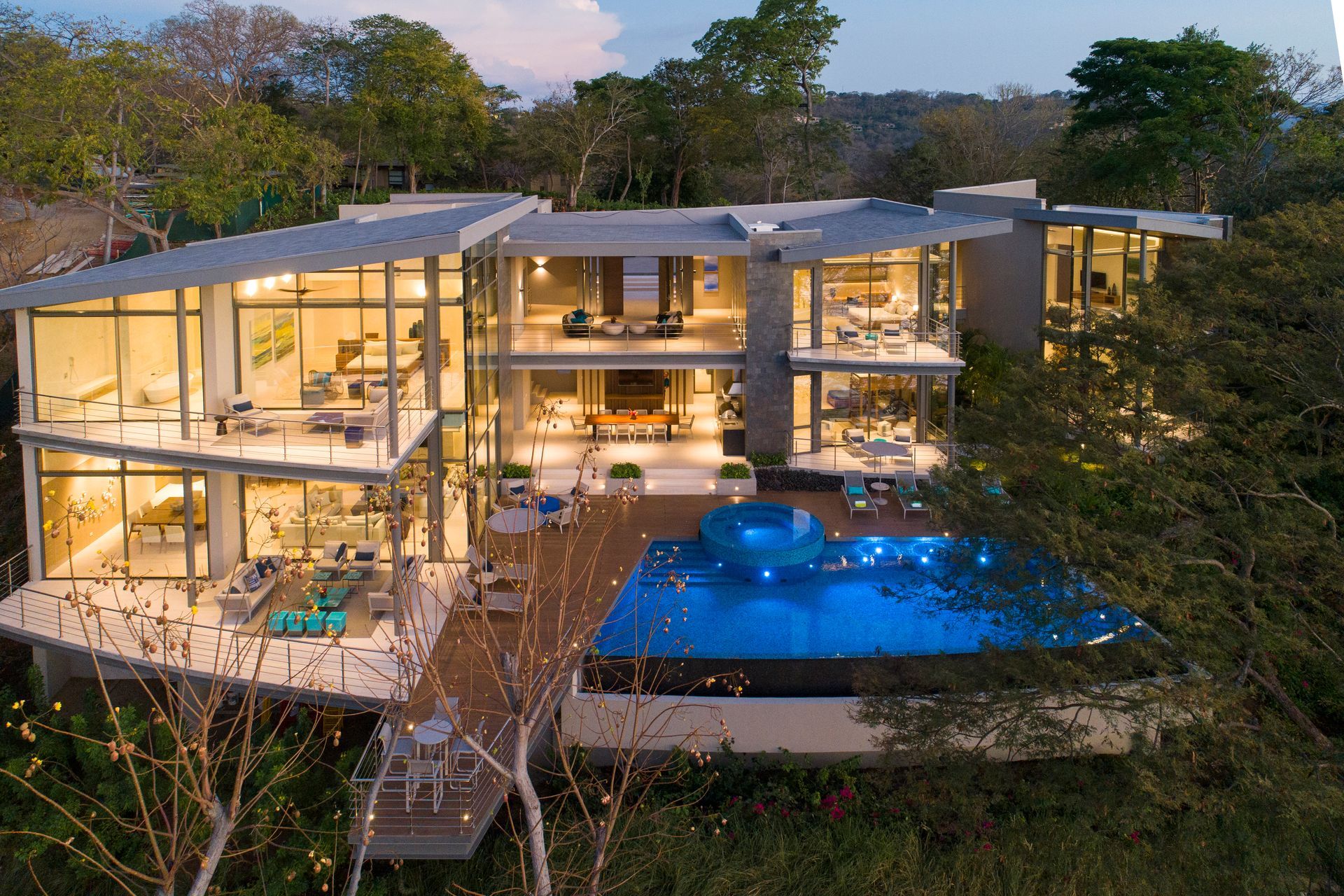
The journey between a beautiful property and a property that becomes a beautiful home is where professional guidance proves invaluable. An experienced architect can assess potential and limitations invisible to even sophisticated buyers.
They can identify whether that dramatic view lot creates foundation challenges that will consume budget, whether the property's topography will comfortably accommodate your program, what development will actually cost given the site's specific conditions.
This perspective becomes particularly valuable when comparing properties. That architect's site visit and preliminary assessment (an investment of a few thousand dollars) can prevent unsuitable purchases worth hundreds of thousands.
Similarly, engaging established legal firms with extensive experience in high-value international transactions provides security commensurate with your investment. Premier firms conduct comprehensive due diligence: verifying title is clear, taxes are current, corporate structures are properly established, all documentation is legitimate and properly recorded.
Legal fees are generally regulated in Costa Rica, so engaging top-tier counsel doesn't necessarily cost significantly more than working with local practitioners, but the expertise difference can be substantial.
Your real estate agent brings market knowledge and access to properties, but remember they represent the transaction itself. For significant investments, independent architectural and legal counsel provide the additional layers of expertise that protect your vision and your capital.
Beginning with Clear Vision
The most successful luxury home projects in Costa Rica began with patient evaluation. The buyers who are happiest years after construction aren't necessarily those who found the most spectacular raw land. They're those who found land that could become what they envisioned without fundamental compromise.
This requires looking beyond immediate romance to understand a property's true character.
- How it performs across seasons
- Whether its infrastructure and regulatory status support rather than complicate your timeline
- Whether its topography and orientation enable the home you imagine or require that vision to adapt
- Whether the property type (titled land versus concession) aligns with your comfort level and intentions
Consider water and power availability verified, not assumed. Hire independent surveyors to confirm boundaries match what you're being sold. Understand zoning before falling in love with a property it can't actually accommodate. Involve your architect early, not after closing.
These questions don't diminish the magic of finding your perfect Costa Rican site. They protect it. They ensure that the home you build reflects the dream that brought you to that piece of land in the first place.
"Every exceptional home begins with understanding not just what a property is, but what it can become," Anderson notes. "That's the conversation worth having before you commit, not after."
Ready to Begin Your Costa Rica Property Journey?
The difference between a beautiful property and a property that becomes a beautiful home lies in the expertise guiding your decisions. SARCO Architects has helped discerning clients navigate Costa Rican property acquisition and design for decades, transforming exceptional sites into legacy homes.
Download Our Free Property Buying Guide for comprehensive insights into the legal, technical, and design considerations that protect your investment and unlock your property's full potential.
Contact SARCO Architects to discuss your vision and explore how architectural expertise during site selection can transform your Costa Rica dream into reality.
Frequently Asked Questions
Can foreigners own property in Costa Rica?
Foreign nationals cannot own property directly under their personal names in Costa Rica. They must own through Costa Rican corporations, which foreigners can fully own and control. When properly established with experienced legal counsel, corporate ownership provides privacy, asset protection, and estate planning advantages that many high-net-worth individuals prefer regardless of jurisdiction.
What's the most important factor when evaluating property in Costa Rica?
Water availability. Costa Rican building permits require documented potable water access from one of three approved sources: municipal water systems, registered local water associations, or properly registered private wells. Without verified water availability, a property remains unbuildable regardless of its other attributes.
Are beachfront concession properties as secure as titled land?
Beachfront properties in Costa Rica often operate under concession rights with periodic renewal requirements, typically 20-year terms. Many of Costa Rica's most prestigious coastal addresses operate under concession structures. The key is understanding renewal terms, fee structures, and any use restrictions with qualified legal counsel before purchase.
Should I involve an architect before purchasing property?
The most successful luxury projects involve architectural consultation during site selection, not after. An experienced architect can assess whether a property can accommodate your vision, identify design opportunities or challenges, and provide realistic cost projections. This perspective proves invaluable when comparing properties and can prevent expensive discoveries later.
How long does the property acquisition process typically take?
Sophisticated buyers typically allow 60-90 days for proper legal review, survey verification, infrastructure assessment, and zoning analysis. Rushing this process to meet artificial deadlines is how mistakes happen. The properties that become generational assets are those acquired with patience and thorough professional guidance.
What are the ongoing costs of property ownership in Costa Rica?
Beyond purchase price, owners are responsible for quarterly municipal property taxes (typically 0.25% of registered value annually), municipal service fees, and in the case of concessions, annual concession dues. Properties above certain thresholds may also face an annual solidarity tax. If operating as a rental, income taxes apply to profits.
Do I need to work with a real estate agent to buy property in Costa Rica?
While not legally required, experienced Costa Rica real estate agents provide valuable market knowledge, access to properties not widely advertised, and understanding of local transaction processes. However, conduct independent due diligence with your own legal counsel regardless of agent relationships.
What's the difference between Costa Rica's coastal regions?
The North Pacific offers more consistent dry seasons, established luxury infrastructure, and proximity to Liberia International Airport. The Central Pacific and Southern zones provide more tropical climates with longer rainy seasons but also more dramatic biodiversity. Each region has distinct character and lifestyle implications that should align with your priorities.
Download Our Free Property Buying Guide for comprehensive insights into the legal, technical, and design considerations that protect your investment and unlock your property's full potential.
Contact SARCO Architects
to discuss your vision and explore how architectural expertise during site selection can transform your Costa Rica dream into reality.
SARCO Architects Costa Rica