Designing Outdoor Living for Both Dry Season and Rainy Season
In tropical living, the outdoors is never just a backdrop. It's a living room, a dining room, and a sanctuary that shifts with the rhythms of the season. And yet, far too many homes are designed as if the sky only ever cooperates.
The dry season invites effortless al fresco living: golden evenings on the terrace, morning coffee with a view, long lunches in the shade. But then the rains arrive. Those magnificent, relentless tropical downpours. And suddenly the most beautiful outdoor spaces go dark. Furniture retreats indoors. Gatherings move under cover. The garden becomes something you admire through glass rather than inhabit.
At SARCO Architects, we design outdoor living that refuses to surrender to the calendar. The goal is a home where every season enhances, rather than diminishes, the experience of living in one of the most beautiful climates on earth.
Why Most Outdoor Spaces Fall Short
The problem, more often than not, is that outdoor spaces are designed for the best day of the year. Not the reality of an entire tropical year.
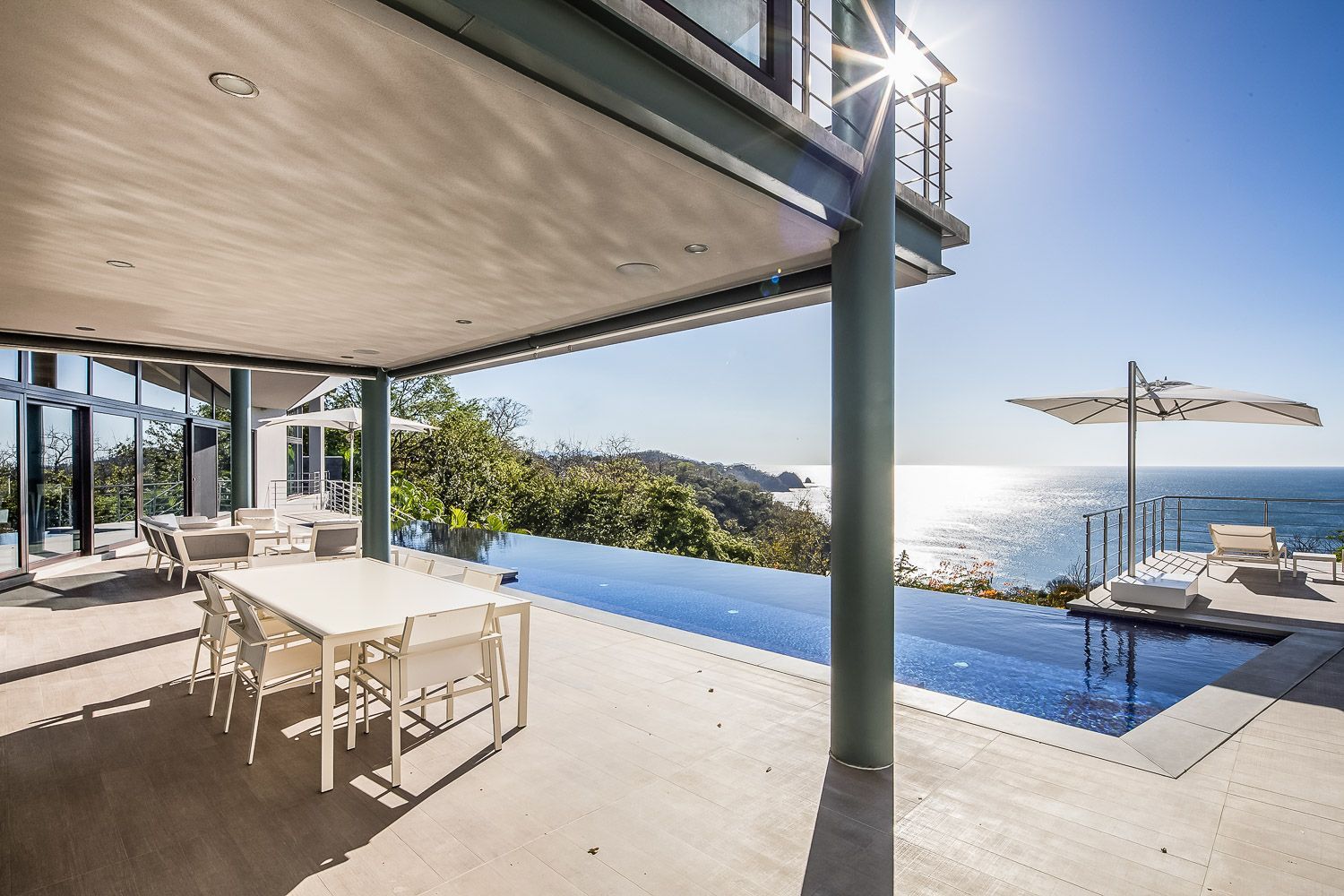
Architects and homeowners fixate on the dry season vision — the panoramic terrace, the infinity pool perfectly mirroring a blue sky, the open-air dining pavilion bathed in afternoon light. These are beautiful aspirations, and they absolutely belong in the design. But the rainy season accounts for a significant portion of the year, and ignoring it means designing spaces that go unused for months on end.
True luxury is not just about peak moments. It's about creating a home that performs at the highest level, every day, regardless of what the sky decides to do.
The Architecture of All-Season Living
Designing for both dry and rainy season living requires a fundamental shift — from thinking about outdoor space as a feature to thinking about it as a system. That system must account for sun, shade, ventilation, rain, drainage, and the way light transforms throughout the year.
Deep Overhangs and Extended Roof Lines
The most powerful tool in tropical architecture is one of the oldest: the extended roof overhang.
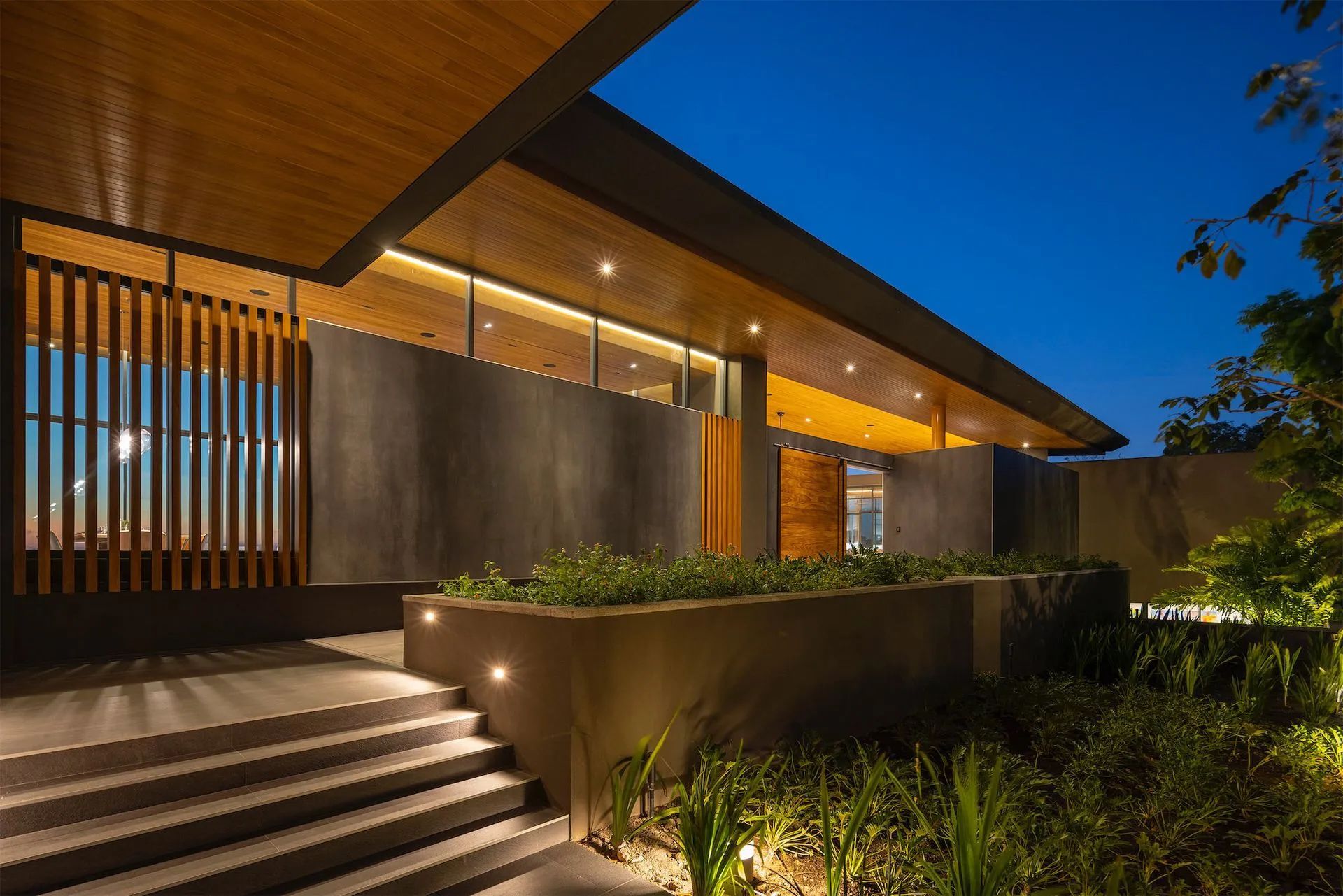
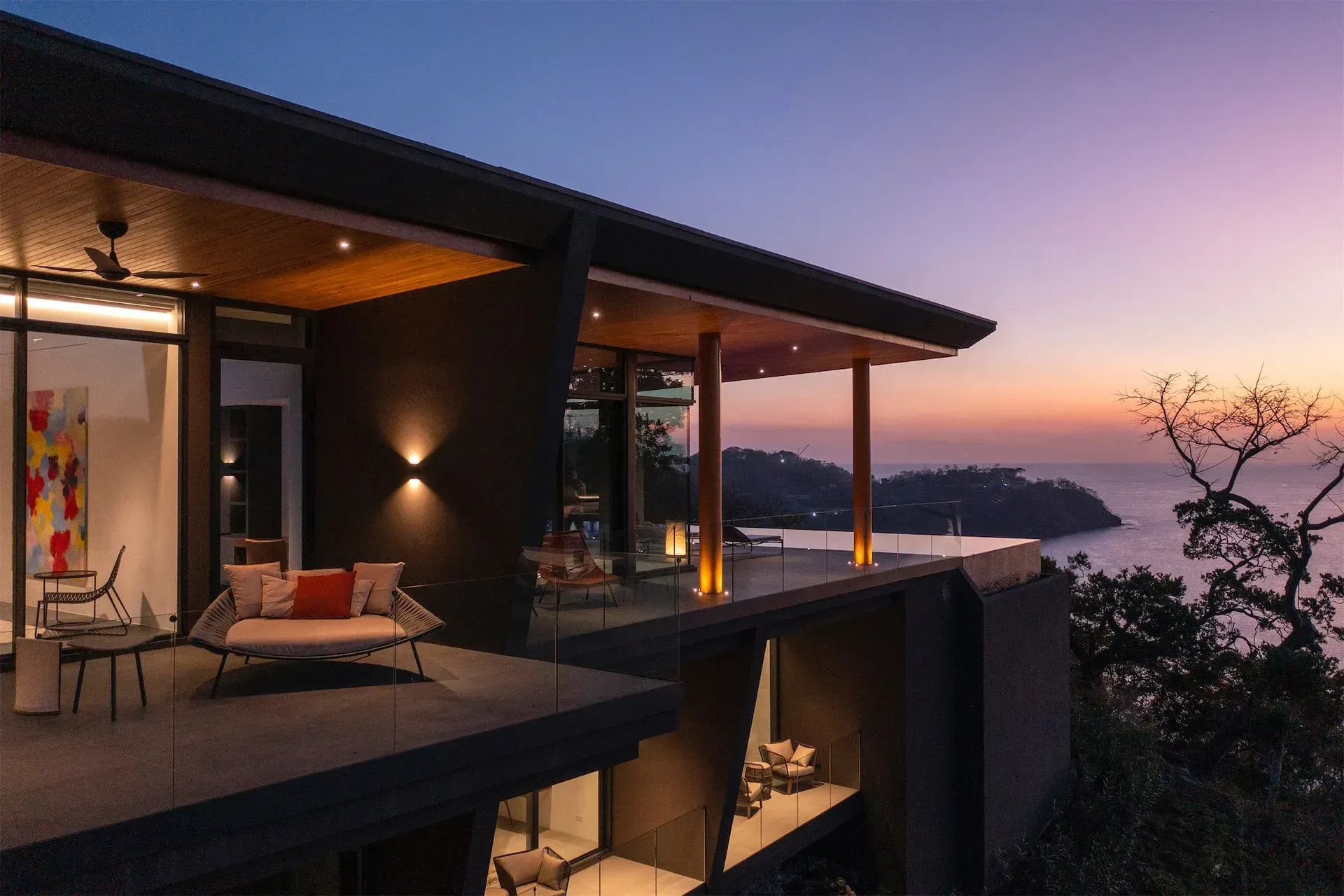
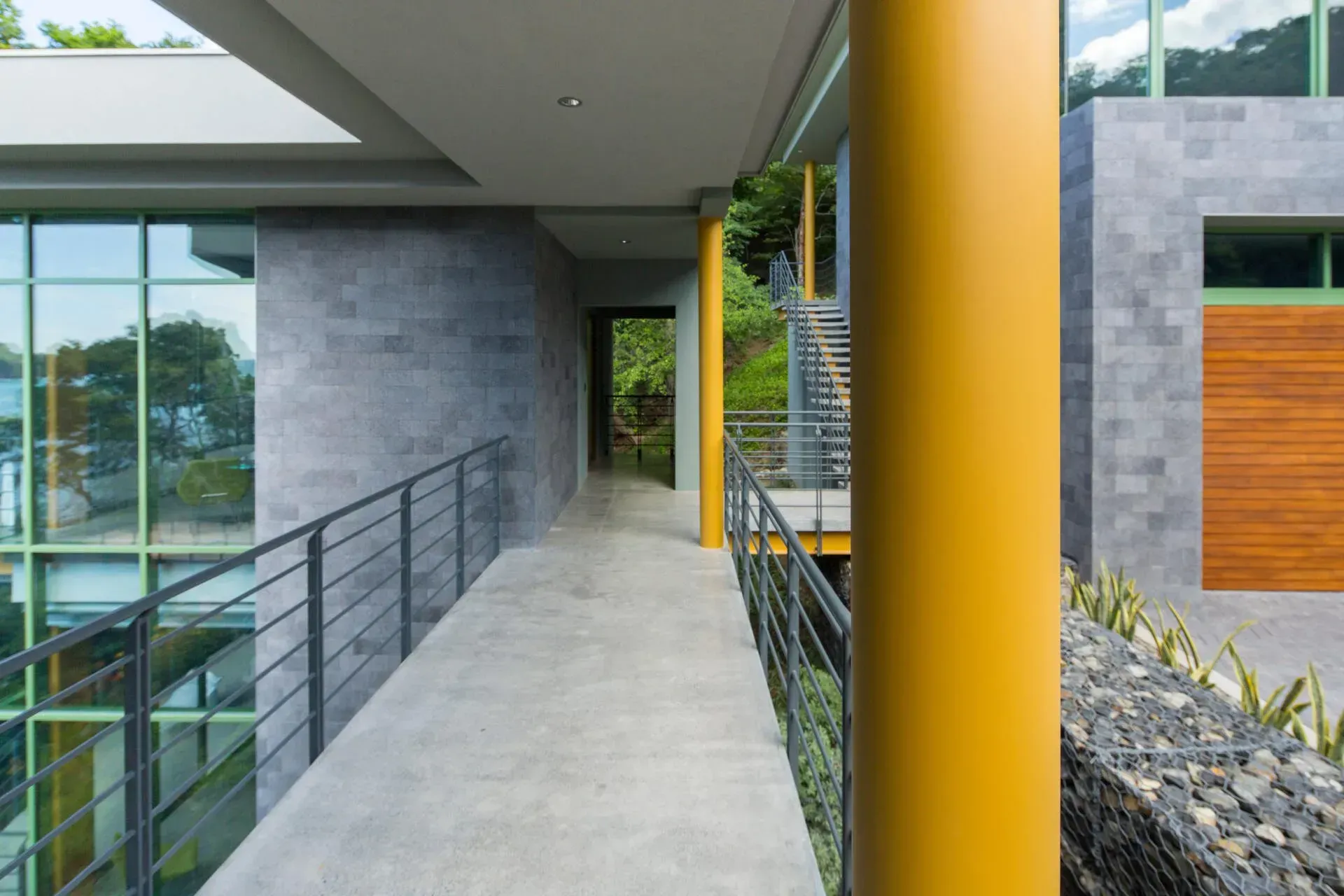
A well-proportioned overhang does several things at once. It shields interior spaces from direct sun during the dry season, reducing heat gain without sacrificing natural light. During the rainy season, it creates a protected threshold — that invaluable in-between zone where you can sit and watch a tropical downpour without getting wet.
At SARCO, we think about overhangs not as shelter-from-weather afterthoughts but as architectural gestures that define the relationship between inside and out. The depth, the angle, the material — all shape how the space feels and functions. Get it right, and a covered terrace becomes one of the most used rooms in the house, year-round.
Transition Zones: The Art of Indoor-Outdoor Flow
One of the most distinctive qualities of exceptional tropical homes is the way they blur the boundary between inside and out. This is never accidental. It requires deliberate design of transition zones — those spaces that belong equally to both worlds.
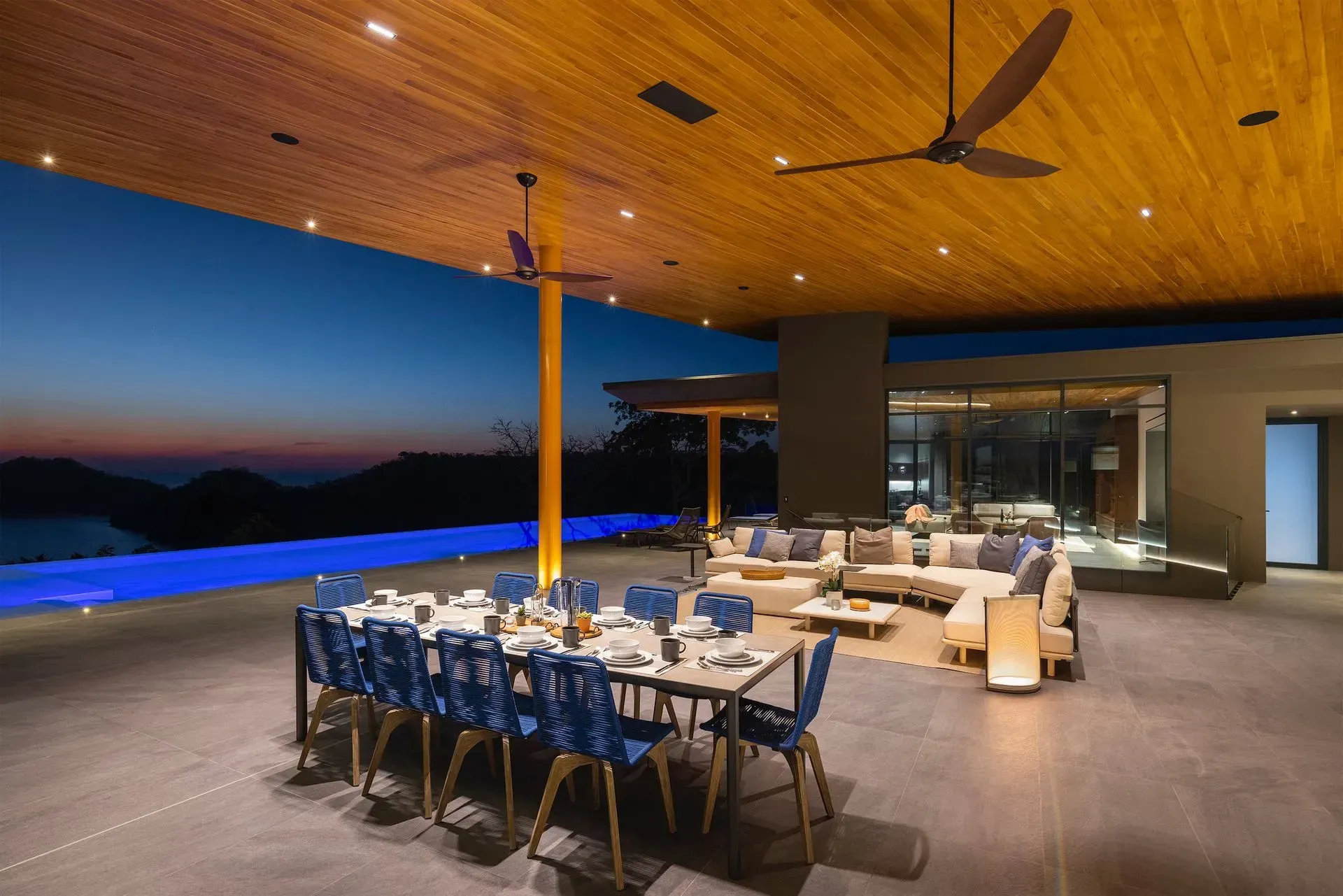
A loggia, a deep veranda, a covered walkway connecting pavilions. These are the spaces that make rainy season living genuinely pleasurable. They offer protection without confinement. You remain immersed in the tropical environment — breathing in the scent of a rain-washed garden, hearing water on leaves, feeling the cooled air that follows a downpour — all without being at its mercy.
"Every home we design is as unique as the family who will live in it. That's the essence of our work at SARCO Architects. And for families living in the tropics, that means designing spaces that let you live fully outdoors, even when it rains."
Roderick Anderson, Founder & Principal Architect, SARCO Architects Costa Rica
Drainage as Architecture
In high-rainfall tropical environments, drainage cannot be an afterthought. Poor drainage is the enemy of beautiful outdoor living. Standing water, soil erosion, damp surfaces, and mold are all symptoms of a site that wasn't designed to manage water intelligently.
At SARCO, we approach drainage as an integral part of the architectural and landscape design — not a civil engineering problem to be solved separately. This is part of a broader philosophy of design trades coordination that keeps every discipline working toward the same outcome from the very start. This means carefully graded terraces, integrated channel drains that disappear into the design, permeable surfaces where appropriate, and landscaping that channels and absorbs water rather than fighting it.
When done well, the rainy season doesn't flood your terrace. It feeds your garden, fills your water features, and creates a lush, verdant setting that the dry season simply cannot replicate.
Strategic Use of Shade and Sun
The tropical sun is magnificent. It is also relentless. A home designed only for shade becomes oppressive during the cooler, overcast days that the rainy season often brings. A home designed only for sun exposure becomes unbearable at the height of the dry season.
The answer lies in designing for adaptability. This might mean retractable shade structures that can be opened or closed as conditions change. It might mean a combination of deep shade zones and more open, sun-exposed areas within the same outdoor living space. It means considering the trajectory of the sun across seasons and designing the orientation of the home accordingly.
At SARCO, we spend considerable time in the early design phases analyzing solar orientation, prevailing winds, and rainfall patterns for every site. These are not technical exercises. They are the foundation of a home that feels intuitively right to live in, every day of the year.
Materials That Perform Through Every Season
Outdoor living in a tropical climate places extraordinary demands on materials. Intense UV exposure, high humidity, heavy rainfall, temperature fluctuation, and the biological activity that comes with a lush environment all conspire to age lesser materials quickly.
Selecting materials for all-season outdoor spaces is both a technical and an aesthetic decision. Teak, ipe, and other dense tropical hardwoods weather beautifully and resist moisture. Natural stone with low porosity handles the wet-dry cycle with grace. High-quality outdoor fabrics and finishes have advanced remarkably, offering genuine durability without sacrificing elegance.
The key is selecting materials with intention — understanding how they will look and perform not just when new, but as they age through tropical seasons. A terrace floor that develops a beautiful patina over time tells a richer story than one that simply deteriorates. For a deeper look at where material choices go wrong in tropical builds, read our guide on avoiding the most common pitfalls in luxury tropical house design.
Outdoor Kitchens and Dining: Designing for Rain
The outdoor kitchen is one of the most valued features in a tropical home, and one of the most commonly under-designed for wet season use.
A covered outdoor kitchen that functions beautifully during a passing afternoon shower requires more than a roof over the grill. It requires thoughtful ventilation to handle smoke and heat, appropriate surface materials that can be thoroughly cleaned after the humidity of a rainy season, adequate lighting for evening use when the sky closes in early, and a layout that allows comfortable movement even when the covered area is the only available space.
When these elements come together, the outdoor kitchen stops being a fair-weather amenity and becomes a genuine centrepiece of daily life, in every season.
The Pool in Every Season
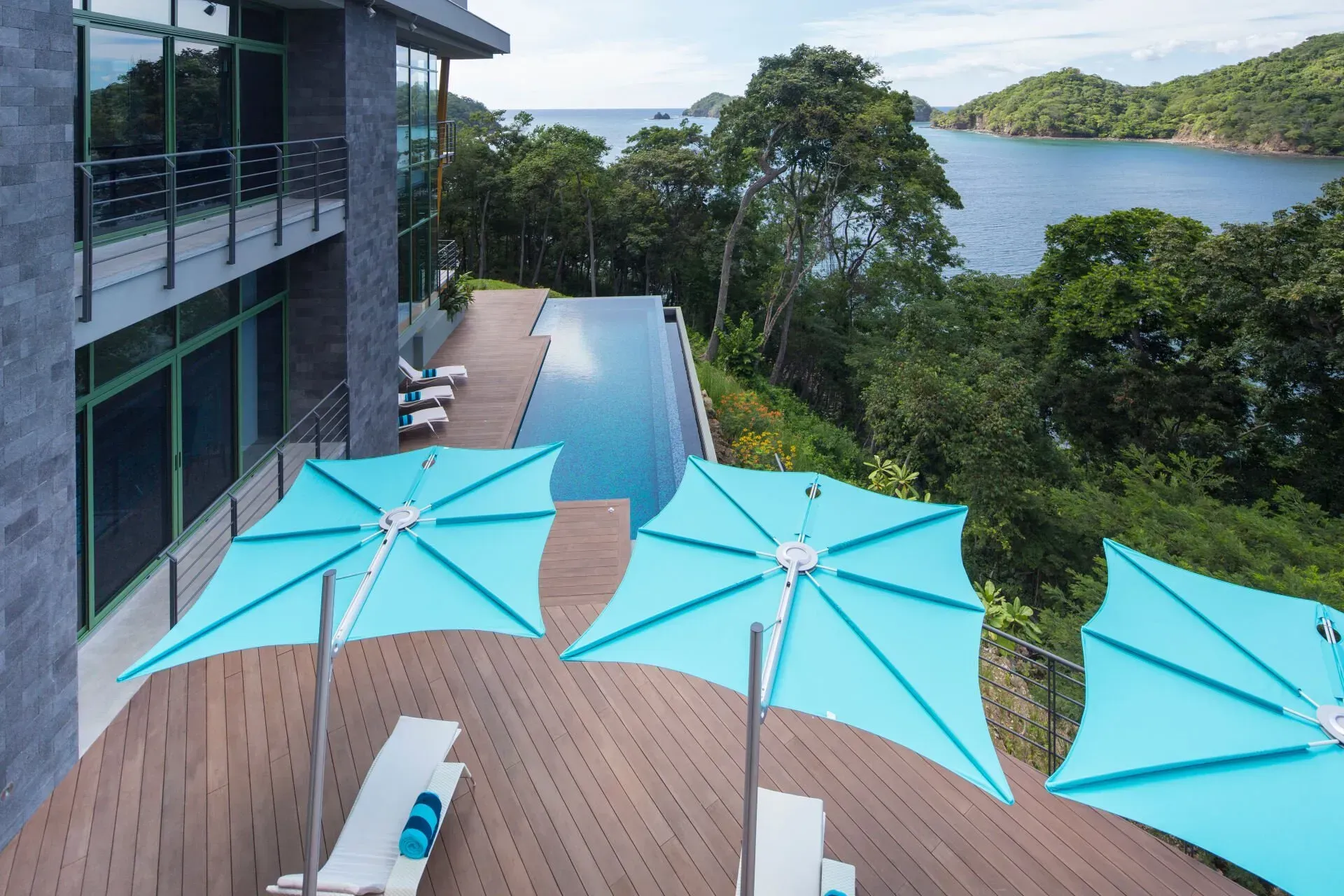
In tropical climates, the pool is often the emotional heart of the outdoor living space. Designing it for all-season pleasure requires attention to details that go beyond the pool itself.
During the dry season, the pool is where the day begins and ends. But during the rainy season, guests and families often abandon the pool area because the surrounding spaces become inhospitable: exposed, waterlogged, or simply uninviting.
The solution is to design the pool environment as a complete outdoor room — with defined zones for shelter, comfortable all-weather seating, and seamless connection to the covered living spaces of the home. A pool house or cabana that offers real comfort, not just a place to hang towels, transforms the pool area into a destination regardless of the forecast.
Light: The Seasonal Wildcard
Designers who haven't lived in the tropics sometimes underestimate the profound difference in light quality between the dry and rainy seasons.
The dry season brings sharp, intense light — perfect for showcasing the architectural lines of a home and the beauty of an exposed terrace. The rainy season brings softer, diffused light and long stretches of overcast sky that cast outdoor spaces in a different kind of beauty: moodier, more intimate, more lush.
Designing outdoor spaces that respond to this seasonal light variation means thinking carefully about surface finishes (which reflect or absorb differently in low light), artificial lighting for the longer, darker evenings of the rainy season, and the placement and framing of views that look entirely different when the landscape is saturated with rain. If you'd like to explore this further, our post on the value of professional architectural lighting design goes into greater depth on how lighting shapes the experience of a home.
A Home That Belongs to Every Season
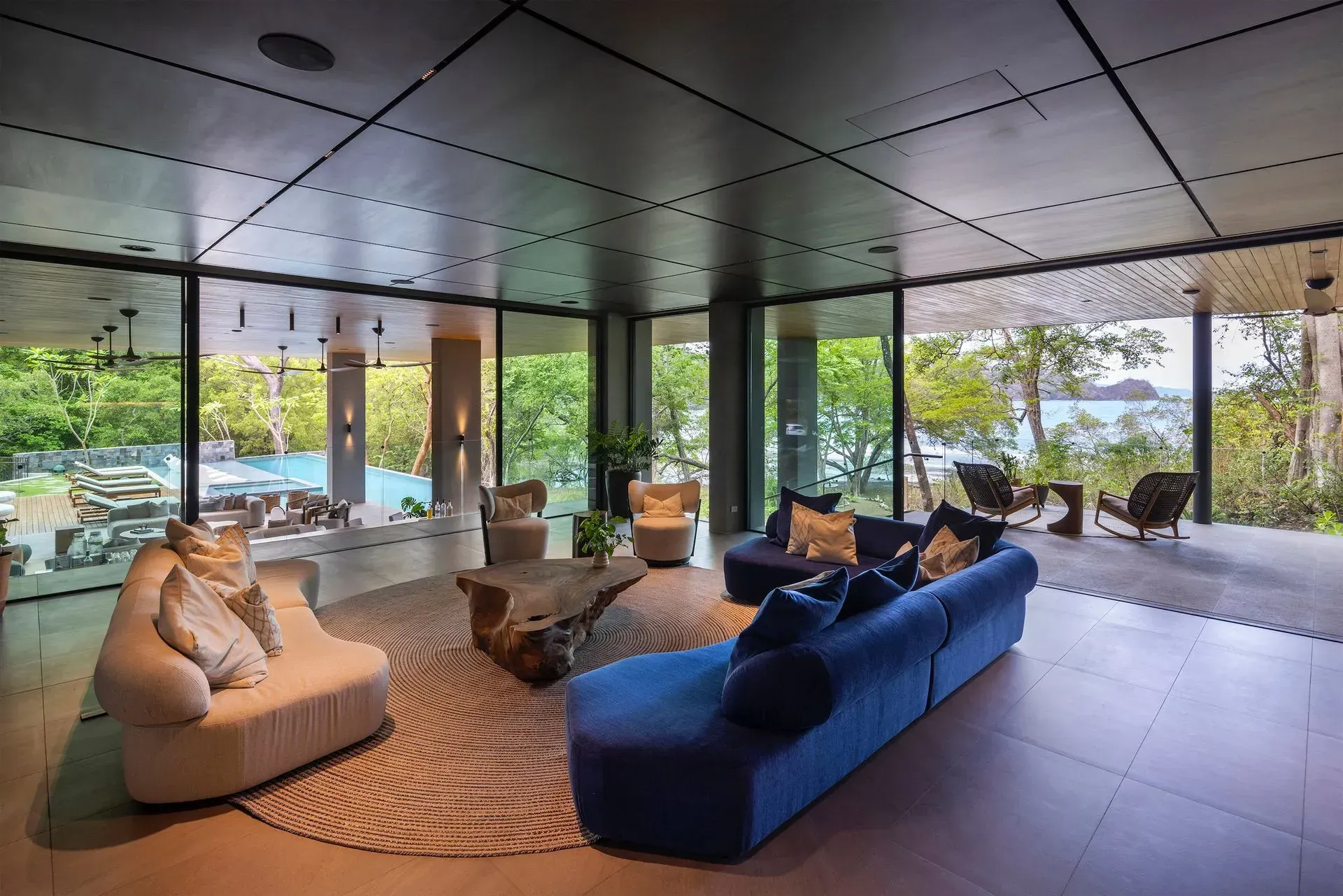
The finest tropical homes feel completely right in the middle of January dry season and equally right in the middle of September rains. There is no season in which they apologize for themselves. No month in which their outdoor spaces go untouched.
This is not an accident of good fortune. It is the result of rigorous, thoughtful architectural design that begins with a deep understanding of the site, the climate, and the way a particular family wants to live.
"Luxury isn't about excess; it's about creating a space that feels like home in every sense of the word.""
Roderick Anderson, Founder & Principal Architect, SARCO Architects Costa Rica
At SARCO Architects, designing for the full tropical year is not a specialisation. It is simply how we work. Every project begins with a genuine understanding of how the seasons will shape life in that home, and every design decision is made with that full picture in mind.
If you are considering a home in the tropics and want to explore what all-season outdoor living could look like for your family and your site, we would love to hear from you. Schedule a call with our team and let's start the conversation.
Frequently Asked Questions
How long is the rainy season in Costa Rica?
On the Pacific side, where most of SARCO’s projects are located, the rainy season typically runs from May through November. That’s roughly seven months of the year — long enough that designing exclusively for the dry season means accepting that your outdoor spaces will be underused for more than half of it.
What is the most important design element for all-season outdoor living?
The extended roof overhang is the single most impactful element. A well-proportioned overhang creates protected outdoor zones that remain usable during rainfall, reduces heat gain during the dry season, and defines the character of the home’s relationship with its environment. Every other decision builds from there.
Can a pool area really be enjoyable during the rainy season?
Absolutely, when it’s designed with that in mind. The key is treating the pool environment as a complete outdoor room rather than an exposed amenity. Covered seating, a well-designed cabana, and strong connections to the home’s interior spaces transform the pool area into a year-round destination rather than a fair-weather feature.
How does SARCO approach drainage in outdoor living areas?
We treat drainage as an architectural decision, not an engineering afterthought. This means integrating grading, channel drains, permeable surfaces, and water-conscious landscaping from the earliest stages of design. When done well, the rainy season becomes an asset — feeding gardens, filling water features, and creating the lush setting that makes tropical living so distinctive.
Ready to design a home that lives beautifully in every season? Schedule your call with SARCO Architects.
SARCO Architects is a boutique residential architecture firm specialising in bespoke, luxury tropical design. Based in Costa Rica, the firm works with discerning clients to create homes of enduring beauty and exceptional livability.
SARCO Architects Costa Rica