The Slow Home: Designing for Rest, Disconnection, and Slow Living
Many of the people who come to us have built remarkable lives. They have achieved, collected, and accomplished. And yet, when we sit down to talk about the home they want to create, the words we hear most often are not about size or status. They are about feeling: calm, rested, present. They want a place where time slows down.
That desire has a name in design circles: the slow home. It is a home designed not to impress, but to restore. A place where the pace of daily life softens, where screens fade into the background, and where the simple rituals of living (morning coffee, an afternoon rain, a long dinner with family) become the main events.
In the tropics, we believe this kind of home sanctuary is not just possible. It is the most natural expression of what a home can be.
What Is Slow Living, and What Is a Slow Home?
Slow living is a lifestyle built around a slower pace and more intentional choices. It traces its roots to the slow food movement that began in Italy in the 1980s, and it was popularized further by writers like Carl Honoré, whose book In Praise of Slow challenged our cult of speed.
Today the slow living movement is a way of life that values intention over speed, quality over quantity, and presence over distraction. It is less about doing everything slowly and more about doing things consciously, at the right pace, and with meaning.
The slow home grows out of that philosophy. Applied to architecture, it means designing every space around how it will make you feel, not just how it will look in a photograph.
A slow home is calm by design. Its rooms are uncluttered and purposeful. Its materials are natural and honest. Its connection to the outdoors is constant. And it gives every member of the household a place to retreat, recharge, and simply be.
It is not about having less luxury. It is about a deeper kind of luxury: the luxury of time, quiet, and peace.
Why Slow Living Starts at Home
In a fast-paced world, for many people, home has become an extension of the office. Devices follow us from room to room. Notifications reach us in bed. Even the most beautiful houses can feel restless when every space is designed for doing rather than being.
A home sanctuary reverses that. It creates a clear boundary between the noise of the world and the life you want to live inside your walls. When you walk through the door, your nervous system should feel the difference: a sense of comfort and calm that invites you to slow down.
The benefits of slowing down are well understood: more time for the people and passions that matter, a greater sense of well-being, and a life that feels more fulfilling and less rushed. Your home is where you can embrace those benefits every day, not just on vacation.
That feeling is not accidental. It is the result of hundreds of design decisions, from the way light enters a room to the sound your footsteps make on the floor.
Designing for Rest: The Architecture of a Slower Life
Rest begins with the spaces where we sleep, bathe, and unwind. In a slow home, these are not afterthoughts. They are the heart of the design.
- The bedroom as a retreat. We orient primary suites to capture morning light and evening breezes, and to frame a view of nature rather than a driveway or neighbor. Layered window treatments allow complete darkness for deep sleep.
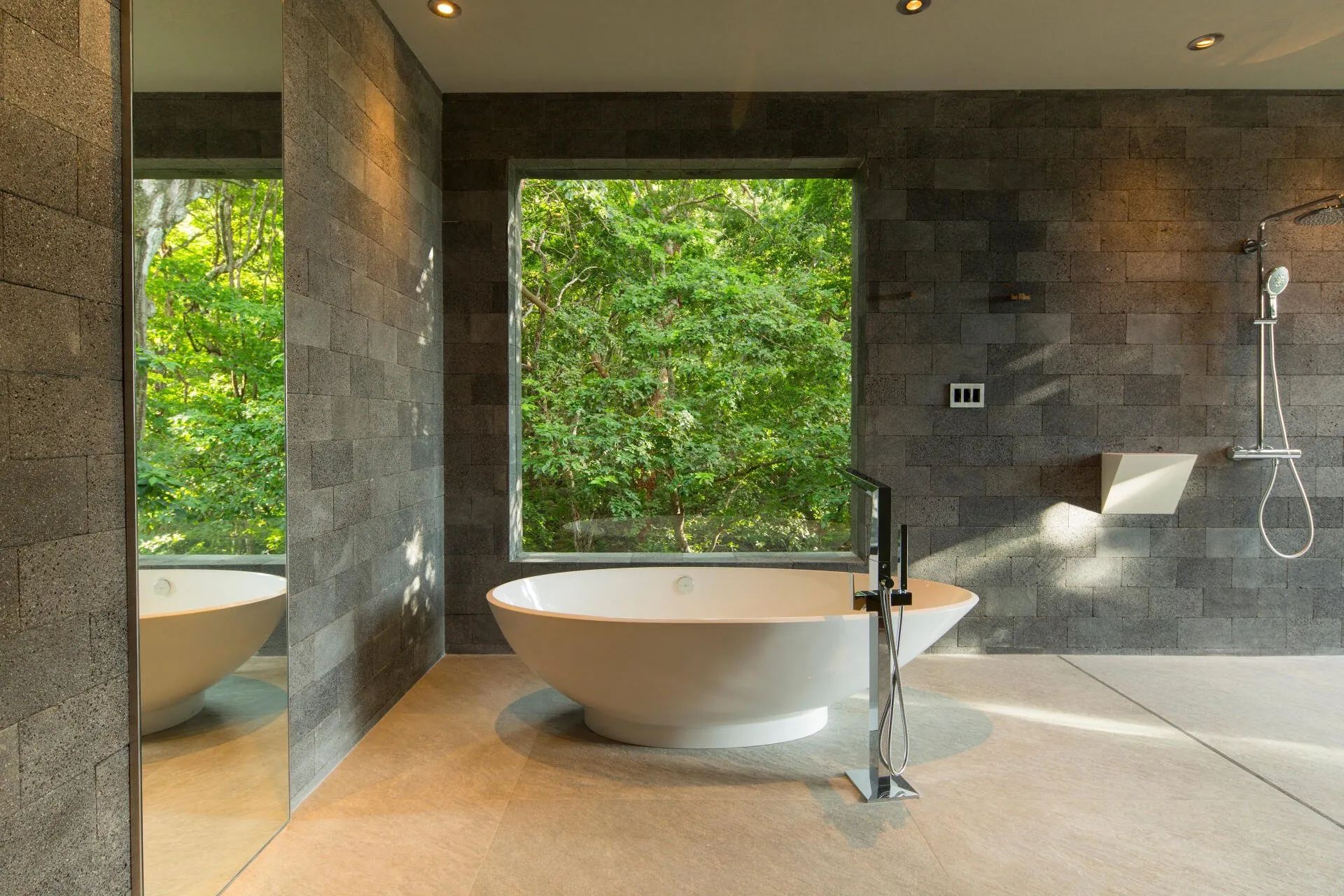
- Bathing as ritual. A soaking tub open to a private garden, an outdoor shower beneath the trees, natural stone underfoot. These spaces turn everyday routines into moments of renewal.
- Acoustic comfort. Thoughtful room placement, thick walls where needed, and soft natural materials reduce noise and create a sense of stillness.
- Places to pause. A reading nook, a meditation space, a shaded hammock terrace. Small spaces designed for doing nothing at all are often the ones our clients come to love most.
At SARCO, we apply these concepts to the homes we create. In Casa Magayon, the primary suite sits in its own wing along a jungle ridge. In the main bath, a freestanding tub sits beside a window facing the creek, and an open shower leads to an outdoor shower. At Casa Aramara, the bedrooms occupy their own module, apart from the social spaces, with the primary suite placed at the highest point of the home for complete privacy. And at Casa Paraiso, the bedroom wing faces the bay and the forest, limiting direct sun and creating private moments with a cool, calm atmosphere.
Designing for Disconnection and Mindfulness
True disconnection rarely happens on its own. In a world where technology is everywhere, a home has to make room for it deliberately.
That does not mean rejecting technology. Our luxury homes are equipped with sophisticated systems for comfort, security, and convenience. The difference is in how those systems are integrated. In a slow home, technology serves quietly in the background rather than demanding attention.
Some of the ways we design for disconnection include:
- Tech-free zones such as a garden pavilion, a library, or a bedroom wing where screens are intentionally absent.
- Hidden infrastructure that keeps controls, equipment, and wiring out of sight, so rooms feel serene rather than technical.
- A dedicated place for work that can be closed off at the end of the day, keeping the rest of the home free from the pull of the office.
- Gathering spaces without a television at the center, designed instead around conversation, a view, a fire, or a long dining table.
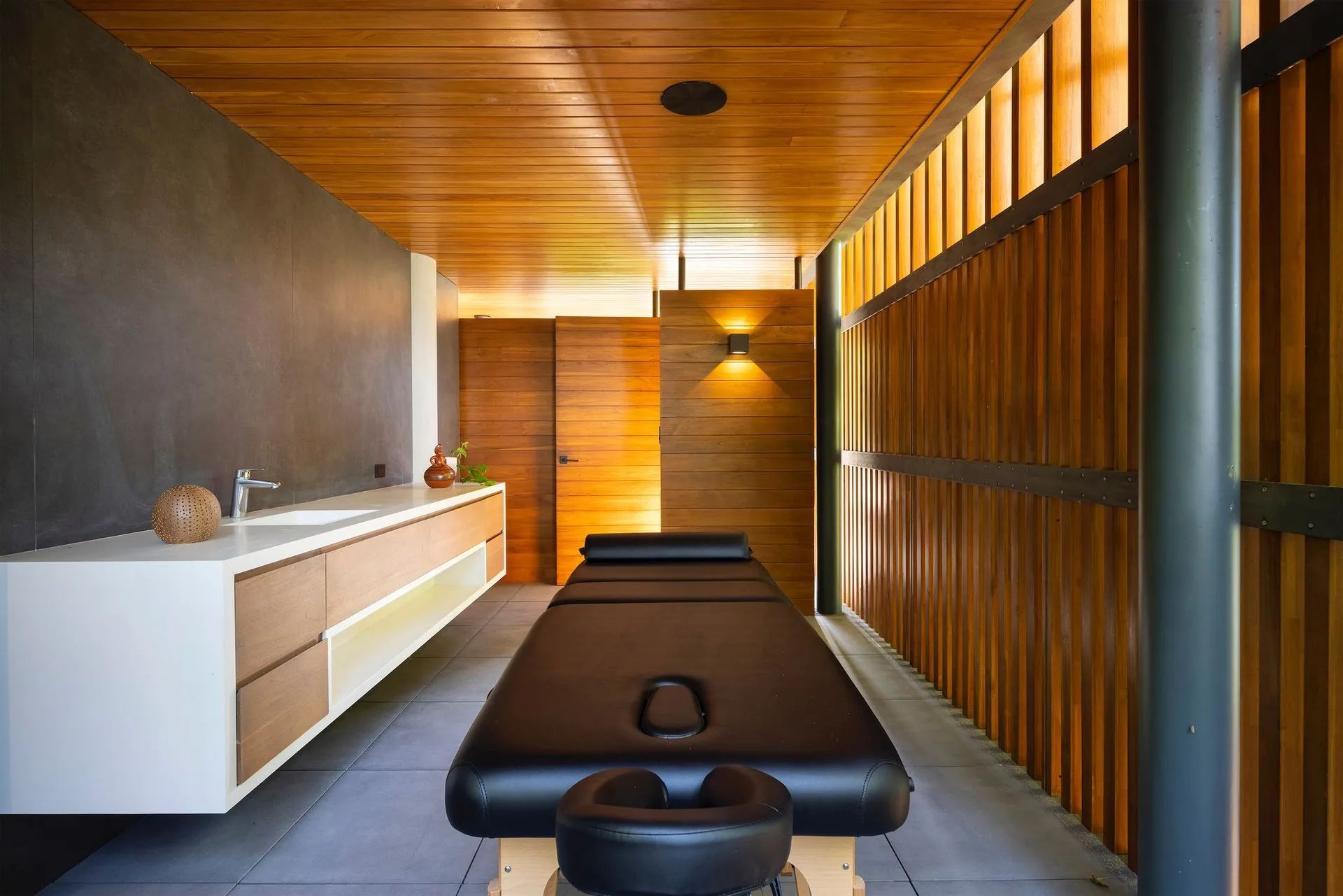
At Villa Avellana, a ten-bedroom home in Peninsula Papagayo, we designed this thinking throughout the whole home: A winding staircase rises through lush gardens to a hilltop yoga pavilion, where teak screens give privacy to the massage rooms below. Concealed back corridors let staff move through the home without disturbing guests, and even the air conditioning is hidden in slots that deliver soft, even, and quiet airflow. Nothing competes with the stillness.
The result is a home that supports a digital detox that does not feel like a sacrifice. Instead of reaching for the phone to scroll, you reach for a book, step into the garden, or simply sit with a view. Mindfulness becomes the natural rhythm of the home, instead of something you need to schedule.
Biophilic Design: Bringing Nature Into Every Room
At the core of every slow home is a deep connection to nature. Biophilic design, an approach that weaves natural elements, materials, and views into the built environment, is central to how we create spaces that feel restorative.
In practice, this means natural light that changes throughout the day, cross ventilation that brings fresh air through every room, and materials like wood, stone, and natural fibers that age beautifully and feel good to the touch. It means framing views of trees, water, and sky from the places you spend the most time. And it means bringing living plants and gardens right up to the edge of interior spaces.
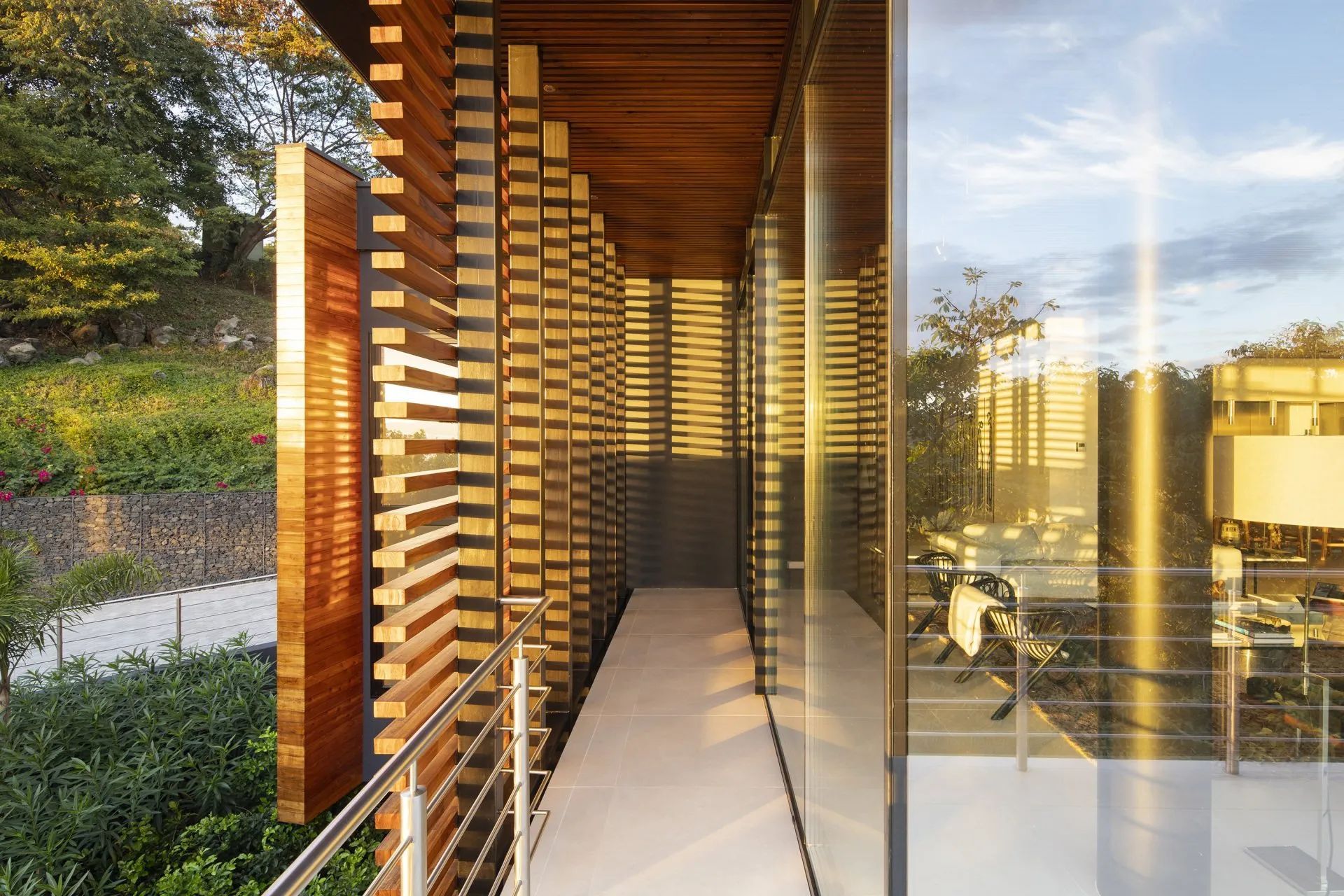
SARCO’s Casa Magayon is composed of glass volumes connected by covered outdoor corridors, so moving from room to room means passing through the jungle itself. A natural green roof provides insulation and shade, and during the rainy season a creek forms beside the house, filling it with soothing sound. Villa Las Rocas, a home currently in design, features an outdoor terrace cantilevered around two existing trees, which provide its shade.
A home designed this way invites you to notice things: the shift of shadows across a wall, the scent of rain on warm stone, the sound of birds at dawn. That kind of attention is the essence of slow living.
Why the Tropics Are the Perfect Setting for Slow Living
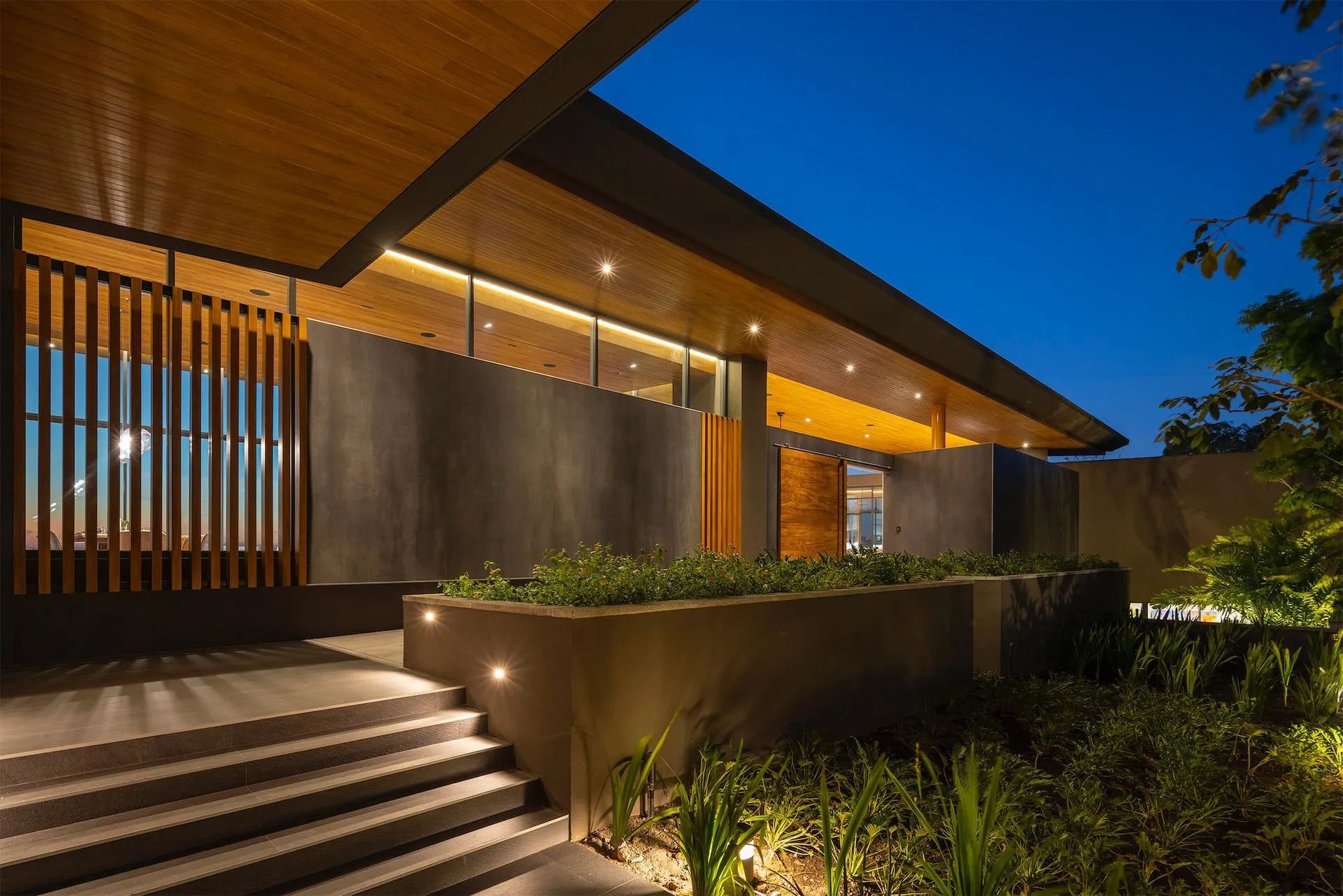
Designing a sanctuary in Costa Rica offers advantages that few places in the world can match. In the tropics, the boundary between inside and outside can nearly disappear.
- Natural light and breeze. Deep overhangs, operable walls, and open floor plans let soft daylight and cooling breezes move through the home, reducing reliance on mechanical systems and keeping you connected to the time of day.
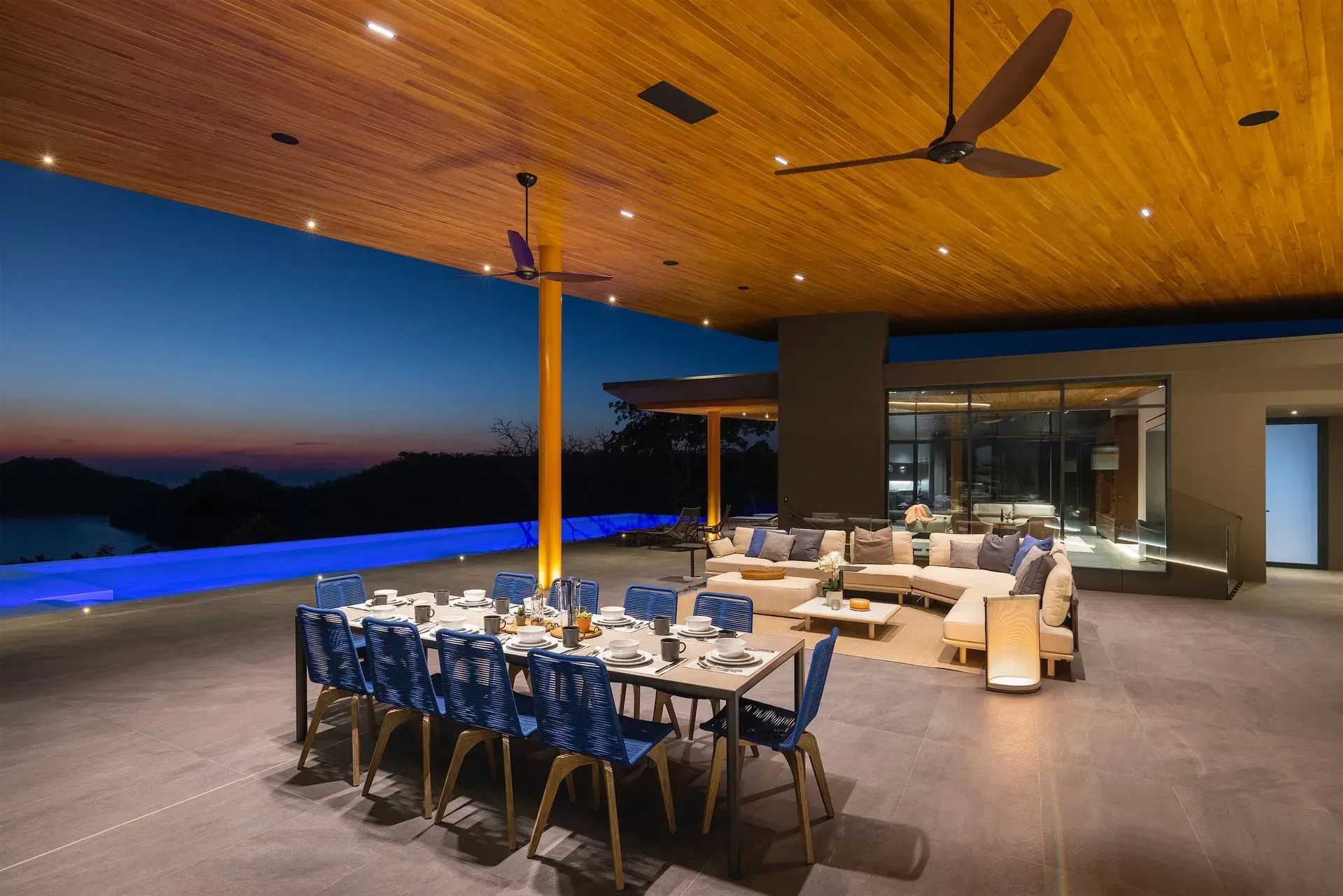
- The sound of rain. During the rainy season, afternoon downpours become a daily ritual. Covered terraces and generous roofs let you sit outside and enjoy the storm rather than retreat from it.
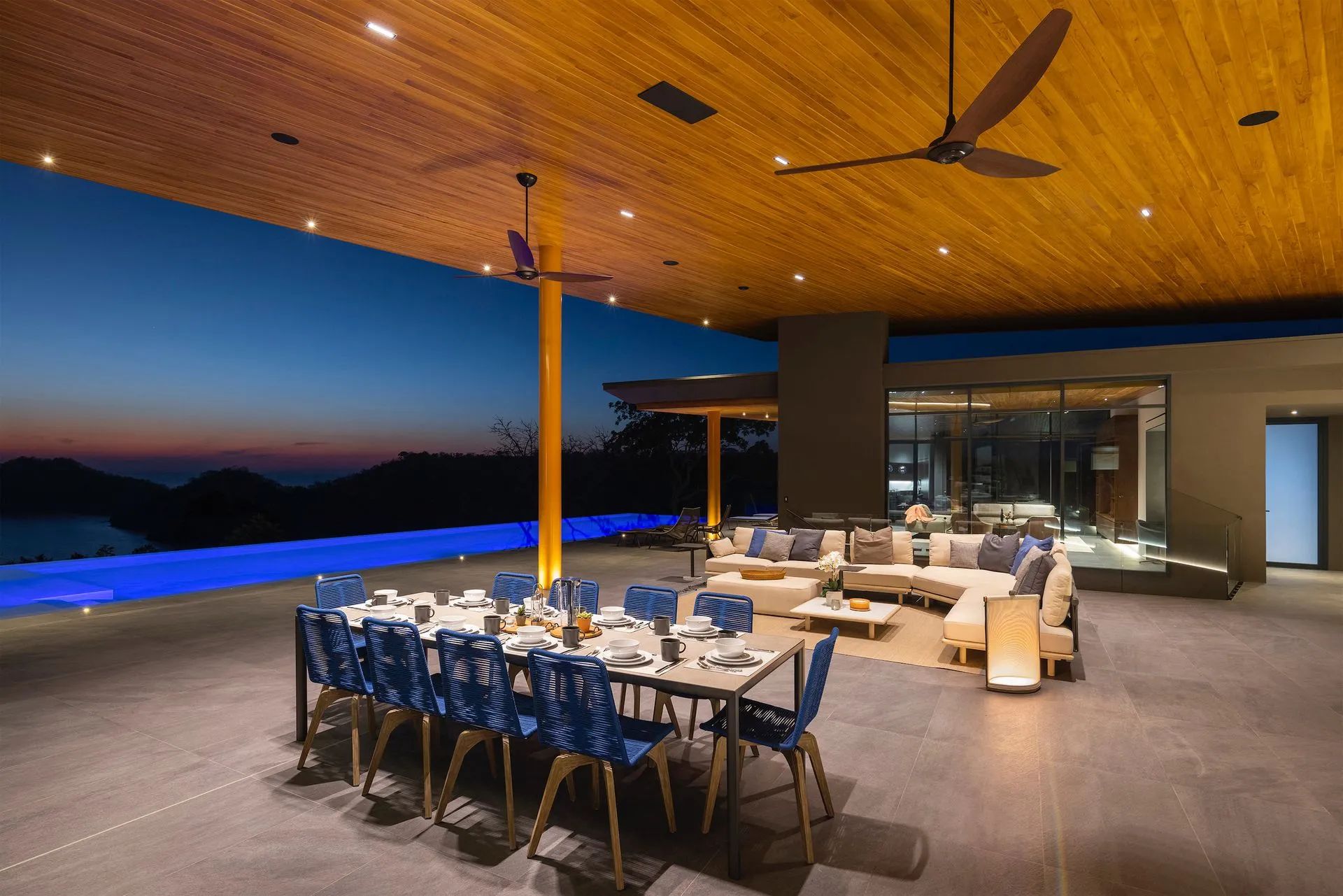
- Indoor-outdoor living. Living rooms open onto terraces, bedrooms open onto gardens, and outdoor kitchens and dining areas become everyday spaces rather than occasional ones.
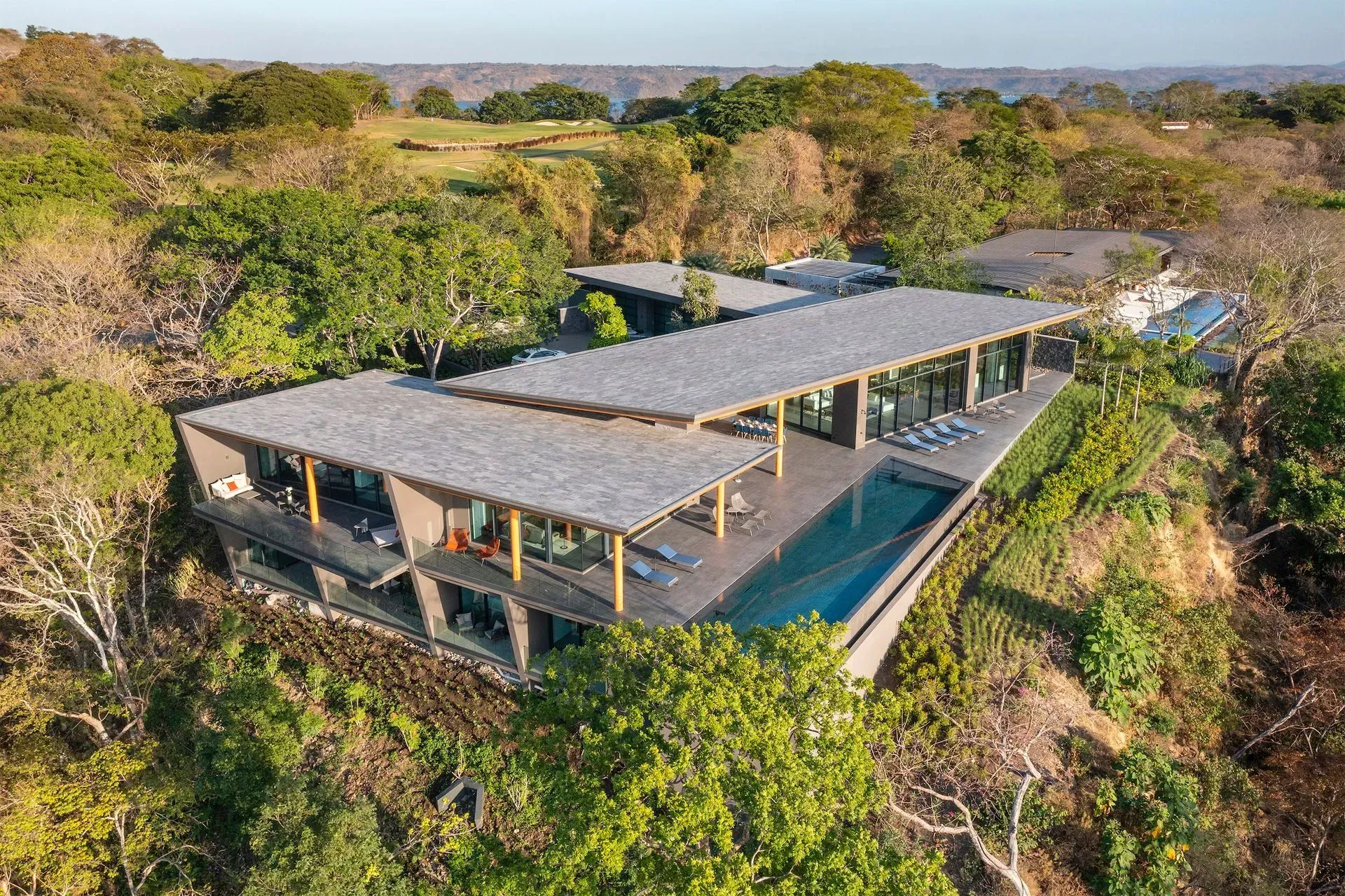
- The surrounding landscape. Jungle, ocean, mountains, and wildlife are not just a backdrop. They shape the experience of the home every single day.
In tropical modern architecture, the climate becomes a partner in creating calm. A home that breathes with its environment naturally encourages a slower, more present way of living. Costa Rica's own philosophy of pura vida, a simple and grateful approach to life, makes it a natural home for anyone ready to live more slowly.
Your Own Version of Slow Living
There are as many versions of slow living as there are people who practice it, and no two slow homes are alike, because no two families rest, gather, or recharge in the same way. At Casa Ola Marina, for example, a sunset bridge connecting two parts of the home becomes a daily ritual: a place to stop at the end of the day and watch the light change. One client may need a quiet studio for painting at sunrise. Another may want a yoga pavilion in the trees, a wine room for long evenings with friends, or a children's wing where young ones can play freely without disturbing the calm of the main house.
That is why our process begins with listening. Before we draw a single line, we want to understand how you want to feel at home, what helps you unwind, and what pulls you away from the life you want to live. Every design decision that follows is shaped by those answers.
Begin Creating Your Home Sanctuary
Slow living is not about doing less with your life. It is about making room for what matters most, and simplifying everything else. A slow home is one of the most meaningful investments you can make, not in square footage, but in the quality of your days. At SARCO Architects, we design and build bespoke luxury homes in Costa Rica that are tailored to the way our clients want to live, with rest, nature, and connection at their heart.
If you are ready to create a home that helps you slow down and live more deeply, we would love to hear your story.
Contact SARCO Architects
to begin the conversation.
Frequently Asked Questions
What does it mean to make your home a sanctuary?
A home sanctuary is a space designed to help you feel calm, safe, and restored. It typically includes quiet, uncluttered rooms, natural materials, abundant natural light, a strong connection to nature, and dedicated spaces for rest and reflection.
What is slow living?
Slow living is a lifestyle that emphasizes a slower pace, intentional choices, and mindful attention to everyday life. Rather than rushing from one task to the next, it encourages people to focus on what is meaningful and let go of what is not.
What is a slow home?
A slow home applies the principles of slow living to architecture and interior design. It prioritizes intention, comfort, and presence over size or display, creating a home that encourages rest and meaningful time with family.
How can architecture support a digital detox?
Architecture can support disconnection by creating tech-free zones, concealing technology and equipment, separating work spaces from living spaces, and designing gathering areas around conversation and views rather than screens.
What is biophilic home design?
Biophilic home design incorporates nature into the home through natural light, ventilation, views, natural materials, and living plants. It aims to strengthen the connection between people and the natural world.
Why is Costa Rica ideal for a slow living lifestyle?
Costa Rica's tropical climate allows for true indoor-outdoor living, with natural breezes, abundant daylight, and lush landscapes that encourage a slower, more present way of life.
Ready to create a home that helps you slow down and live more deeply?
Let’s talk about how you want to feel at home, and how we can design a sanctuary around it.
Contact SARCO Architects to start the conversation.
SARCO Architects Costa Rica